As an avid consumer of filmmaking literature and a passionate observer of the indie film scene, I’ve often pondered the daunting challenge of directing a first feature. It’s a leap that many aspiring filmmakers dream of, but few feel truly prepared for. Today, I want to share some insights on how to approach directing your first feature when you’re stepping into uncharted territory.
Start with a Story You’re Passionate About
Your first feature will be a labor of love, so choose a story that resonates deeply with you. This passion will fuel you through the inevitable challenges and long hours. Remember, your unique perspective is your greatest asset as a new director.
Tip: Write or choose a script that you’d be excited to work on for months or even years. Your enthusiasm will be contagious to your cast and crew.
Do Your Homework
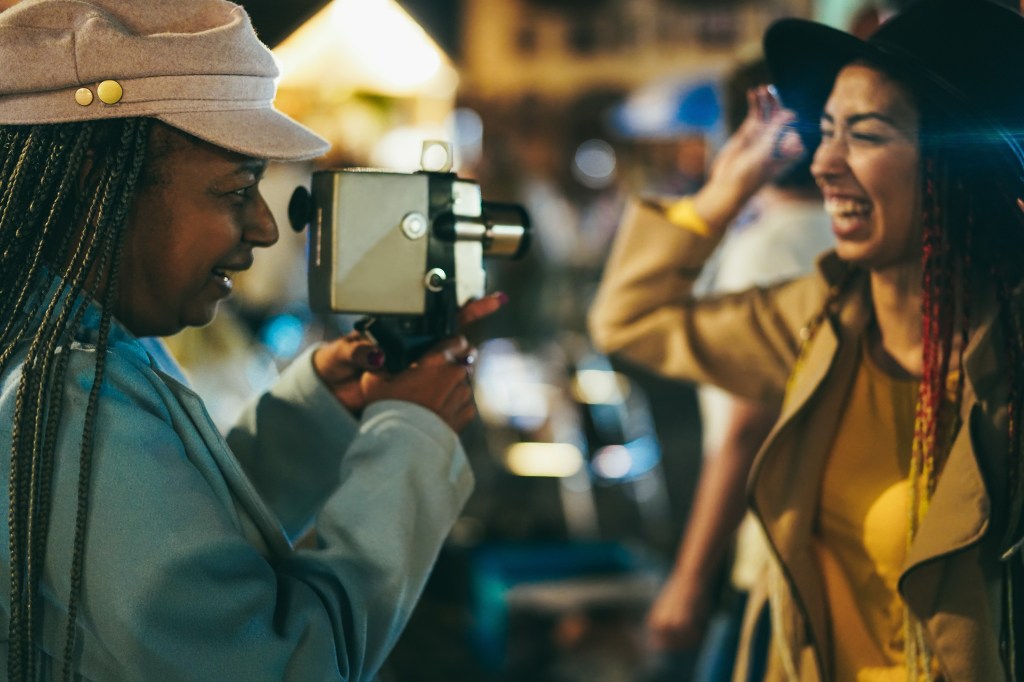
While nothing fully prepares you for directing a feature, knowledge is power. Study films in your genre, read books on directing, and analyze the work of directors you admire. Pay attention to how they handle pacing, work with actors, and tell their stories visually.
Tip: Create a “director’s notebook” with ideas, visual references, and notes from your research. This will be a valuable resource during production.
Surround Yourself with Experience
As a first-time director, one of the smartest moves you can make is to build a team with more experience than you. An experienced Director of Photography, First Assistant Director, or Producer can be invaluable in guiding you through the process.
Tip: Be honest about your experience level when recruiting your key crew. Many professionals enjoy the energy of working with first-time directors and will appreciate your transparency.
Prepare, Prepare, Prepare
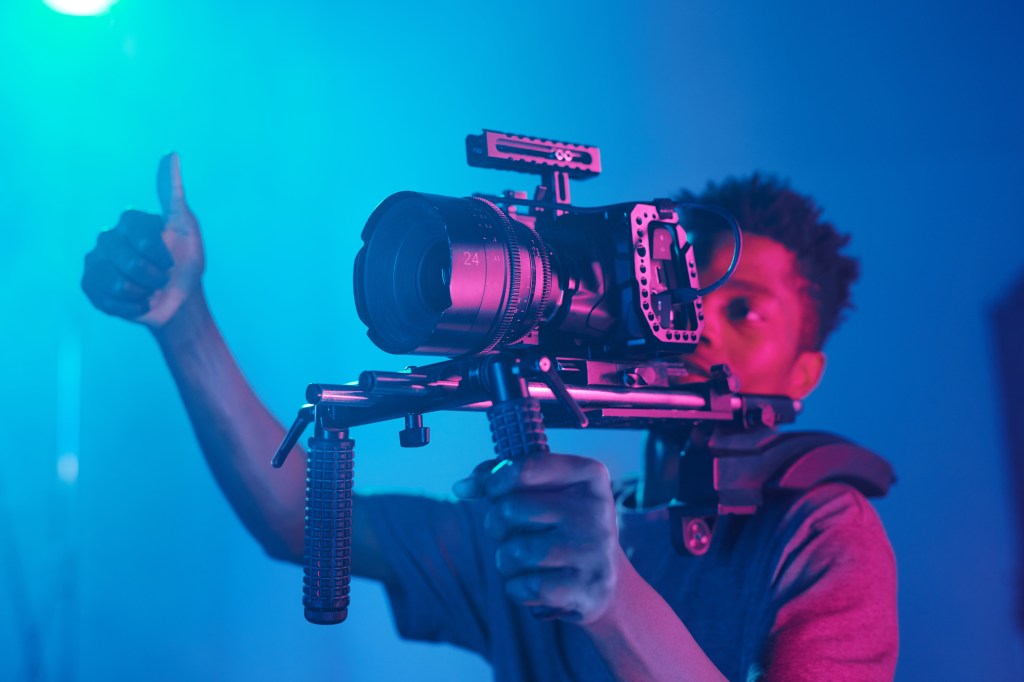
Thorough preparation is your best friend. Break down your script, create detailed shot lists, and have a clear vision for each scene. This preparation will give you confidence on set and help you make decisions quickly when time is tight.
Tip: Storyboard key sequences or complex shots. This visual planning will help you communicate your vision to your crew.
Focus on Performance
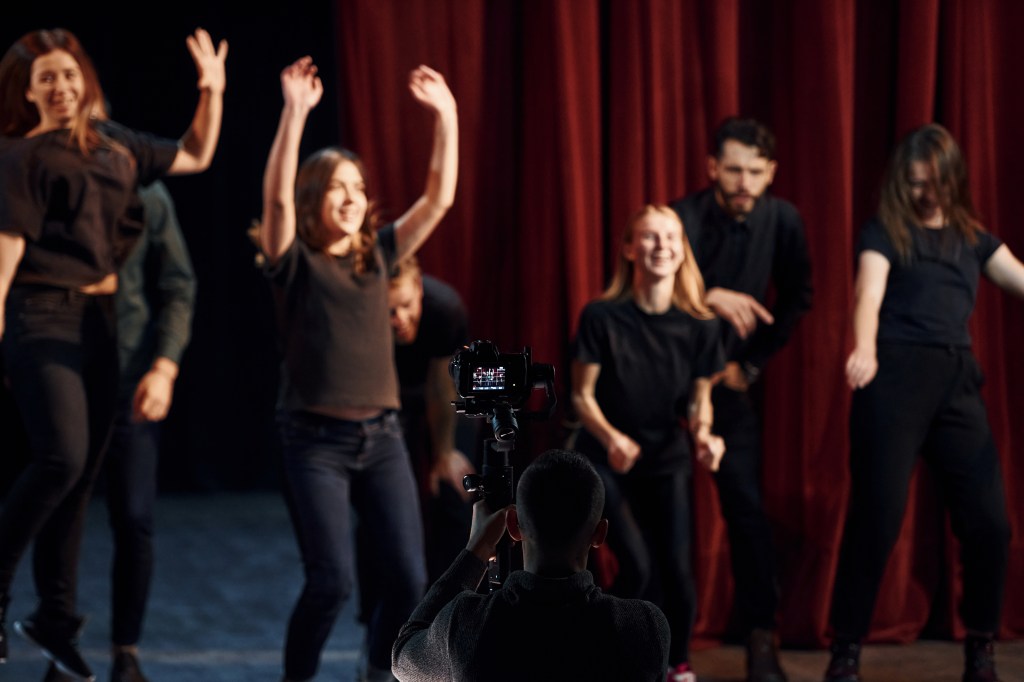
As a new director, your ability to work with actors and draw out great performances can set you apart. Take time to develop your characters with your actors, run thorough rehearsals, and create an environment on set where they feel safe to take risks.
Tip: Consider taking an acting class yourself. It will give you invaluable insight into the actor’s process.
Be Decisive, But Flexible
On set, your crew will look to you for clear direction. Make decisions confidently, but also be open to input from your more experienced team members. Sometimes, the best ideas come from unexpected places.
Tip: Before shooting, identify your non-negotiables – the elements of your vision that are essential. This will help you know where you can be flexible and where you need to stand firm.
Embrace the Learning Curve
Accept that you’ll make mistakes – it’s part of the process. Each challenge is an opportunity to learn and grow as a director. Keep a positive attitude and be solution-oriented when problems arise.
Tip: Keep a daily journal during your shoot. Reflect on what worked, what didn’t, and what you’d do differently next time. This self-reflection will be invaluable for your growth as a director.
Remember the Big Picture
In the stress of day-to-day filming, it’s easy to lose sight of your overall vision. Regularly remind yourself of the story you’re trying to tell and why it matters. This will help you make consistent decisions that serve the film as a whole.
Tip: Start each day by reviewing your director’s statement or the theme of your film. This will help center you and inform your choices throughout the day.
Directing your first feature is a monumental task, but it’s also an incredible opportunity for growth and creativity. By approaching it with a combination of thorough preparation, openness to learning, and passion for your story, you can navigate this challenge successfully.
Remember, every great director was once a first-time feature director. Your unique voice and vision are what will make your film special. Trust in your preparation, lean on your team, and don’t forget to enjoy the journey.
I’d love to hear from our readers: What concerns do you have about directing your first feature? Or for those who have taken the plunge, what advice would you give to first-time directors? Share your thoughts in the comments below!
As always be inspired, be encouraged, and be collaborative.
Saki Bomb
Subscribe to the blog!!! Follow us on instagram @_shootingfromthehip
 Shooting From The Hip