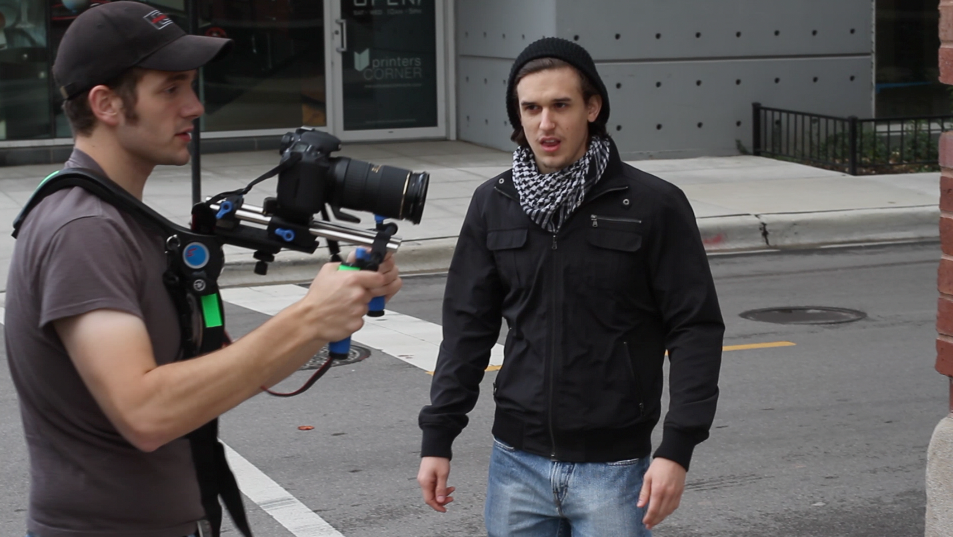
Crafting Cinematic Identity: A Director’s Artistry Through Mood, Style, and More – #020

In the realm of filmmaking, directors are the maestros of storytelling, wielding their artistic prowess to create worlds and narratives that resonate with audiences. While every director has a unique approach to their craft, a key element of establishing their identity lies in their ability to shape the mood, style, genre, writing, lighting, camera shots, and camera movement of their films. These components are the palette upon which directors paint their cinematic portraits.

Mood:

Mood is the emotional core of any film. It sets the tone for the entire experience, and directors use it to evoke a specific response from the audience. For example, consider the works of David Fincher, known for his dark, brooding, and intense mood. Films like “Se7en” and “Fight Club” immerse viewers in a bleak and unsettling atmosphere, a testament to Fincher’s mastery of mood.

Style:

A director’s style is their signature, the visual and thematic language they use to tell their stories. Wes Anderson’s films, with their vibrant color palettes, symmetrical compositions, and quirky characters, are instantly recognizable. Anderson’s unique style lends an air of whimsy to his narratives, making them one of a kind.

Genre:

The genre a director chooses to work in can significantly influence their identity. Take Christopher Nolan, whose exploration of complex narratives in science fiction has become his trademark. Films like “Inception” and “Interstellar” showcase his penchant for blurring the lines between reality and imagination.

Writing/Story/Topic:

The heart of any film is its story, and a director’s choice of subject matter and storytelling style can define their identity. Quentin Tarantino is celebrated for his unconventional narratives, sharp dialogue, and penchant for exploring unconventional themes. His films, like “Pulp Fiction” and “Kill Bill,” often delve into the dark and violent corners of society.

Lighting:

Lighting is an essential tool for shaping the mood of a film. Directors like Stanley Kubrick are renowned for their meticulous attention to lighting. Kubrick’s use of stark contrasts and meticulous attention to detail is evident in “The Shining,” where the oppressive, eerie lighting contributes to the film’s sense of dread.

Camera Shots and Moving the Camera:

The way a director frames their shots and moves the camera can have a profound impact on the audience’s engagement. Consider the long, uninterrupted takes in Alfred Hitchcock’s “Rope,” which create a sense of suspense and tension. Hitchcock’s masterful camera work is a testament to his unique cinematic identity.

In conclusion, directors’ cinematic identities are crafted through their mastery of mood, style, genre, writing, lighting, camera shots, and camera movement. These elements are the brushstrokes on the canvas of their storytelling. It is this fusion of creativity, technical expertise, and a distinct vision that allows each director to carve out a unique place in the world of cinema, leaving an indelible mark on the medium for generations to come.

As always be inspired, be encouraged, and be collaborative.

Saki Bomb

Subscribe to the blog!!! Follow us on instagram @_shootingfromthehip
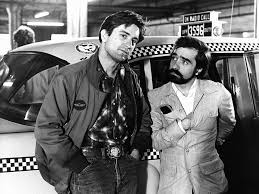
5 Essential Things to Consider When Hiring a Director for Your Film Project – #019

Choosing the right director for your film project is a critical decision that can greatly impact the success of your film. The director is the creative force behind the camera, responsible for translating the script into a visual masterpiece. To ensure that your project is in capable hands, here are five essential things to consider when hiring a director.

Experience and Portfolio

When looking for a director, it’s crucial to assess their experience and review their portfolio. A director with a proven track record is more likely to handle the complexities of a film project effectively. Pay attention to the types of films they have worked on in the past. If you’re making a romantic comedy, a director known for their action-packed films might not be the best fit.

Vision and Style

Each director has a unique artistic vision and style. Your director should align with the vision you have for your film. Discuss their approach to storytelling, cinematography, and directing actors. It’s essential that their creative sensibilities complement your project’s goals. A successful collaboration is built on a shared vision.

Communication and Collaboration Skills

A director’s role extends beyond just artistic creativity. They must also be effective communicators and collaborators. A good director will work closely with your production team, actors, and crew to bring your script to life. Ensure the director can convey their ideas clearly and can maintain a positive working atmosphere on set.

Budget and Resources

Consider the budget and resources available for your film project. Some directors are adept at working with limited budgets, while others excel with substantial resources. It’s important to find a director who can manage your budget efficiently and make the most of the resources at hand. Discuss their experience in managing budgets and handling unforeseen challenges.

References and Reputation

Don’t hesitate to ask for references and check the director’s reputation within the industry. Speak with producers, actors, and crew members who have worked with them in the past. This will provide valuable insights into their work ethic, professionalism, and ability to deliver results. A strong reputation is often a sign of a director’s trustworthiness.

Conclusion

Hiring the right director is a pivotal decision in the filmmaking process. Their experience, vision, communication skills, ability to work within your budget, and reputation are all essential factors to consider. Taking the time to carefully select the right director for your film project can ultimately lead to a more successful and memorable cinematic experience for your audience. So, do your research, conduct interviews, and make an informed choice that aligns with your project’s goals and aspirations.

As always be inspired, be encouraged, and be collaborative.

Saki Bomb

Subscribe to the blog!!! Follow us on instagram @_shootingfromthehip
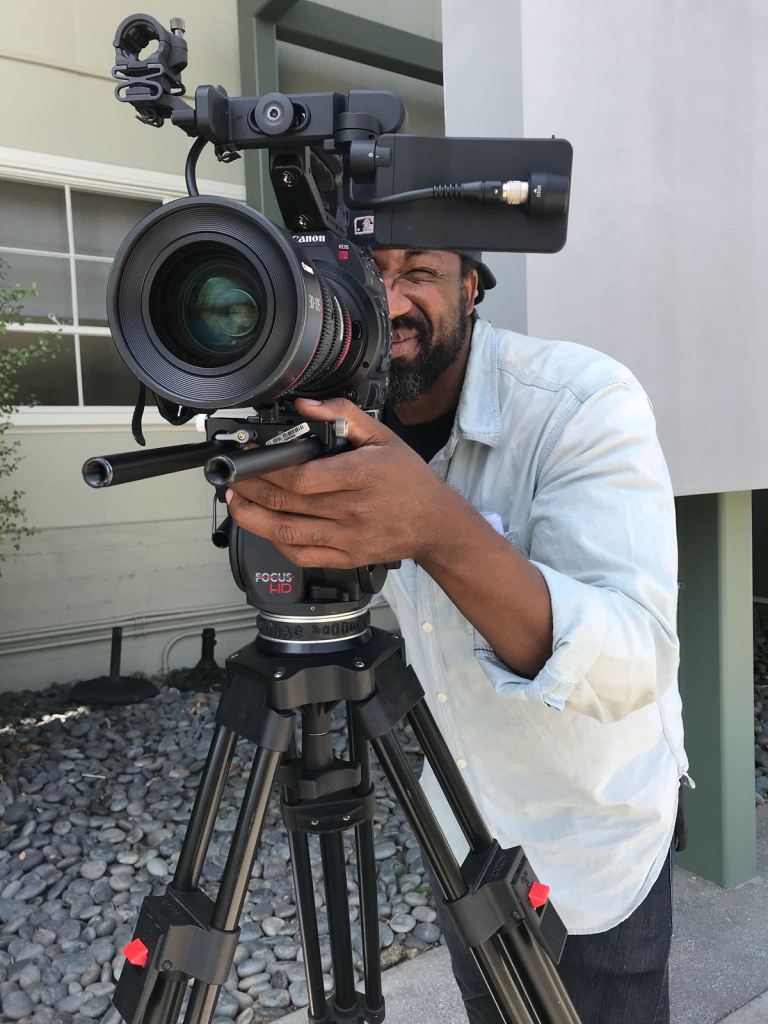
“Crafting Compelling Characters: The Art of Character Development in a Screenplay” – #016

A well-crafted screenplay is more than just a sequence of events and dialogues. It’s a world where characters come to life, capturing the audience’s imagination and emotions. Character development is at the heart of any great screenplay, as it breathes life into the narrative, making it relatable and engaging. In this blog, we’ll explore the art of character development in a screenplay, understanding its significance and sharing tips on how to create compelling characters.

The Significance of Character Development

Character development is the process of creating multidimensional and relatable characters who evolve throughout the story. It is a vital component of storytelling, as it allows the audience to connect with the characters on a deeper level, fostering empathy and emotional investment. Here are some key reasons why character development is essential in a screenplay:

  1. Audience Engagement: Well-developed characters make it easier for the audience to relate to and root for them. When viewers care about the characters, they become more engaged in the story, which can lead to a more satisfying cinematic experience.
  2. Conflict and Drama: Characters with depth and complexity can drive the story’s conflict and drama. Their flaws, motivations, and internal struggles can create tension and propel the plot forward.
  3. Arc and Growth: Character development often involves a character arc, where individuals undergo significant changes or growth throughout the story. This transformation adds depth and meaning to the narrative.
  4. Memorability: Iconic characters are often the most memorable aspect of a film. Well-developed characters can leave a lasting impression and become cultural touchstones.

Now, let’s delve into some strategies for crafting compelling characters.

Tips for Effective Character Development

  1. Know Your Characters Inside and Out: Start by creating detailed character profiles. Understand their backgrounds, motivations, fears, desires, and quirks. Think about their past experiences and how these shape their current behaviors. The more you know about your characters, the more authentic they will feel on screen.
  2. Show, Don’t Tell: Instead of telling the audience about a character’s traits, show them through actions, dialogues, and interactions. Let the audience discover the character’s qualities naturally, allowing for a deeper connection.
  3. Create Flawed Characters: Flaws make characters relatable and interesting. Nobody is perfect, and flawed characters have room to grow and change over the course of the story. These imperfections humanize them and make them more compelling.
  4. Give Them Goals and Motivations: What do your characters want? What are their driving forces? Having clear goals and motivations will give your characters purpose and direction, making their actions and decisions more understandable.
  5. Character Arcs: Consider how your characters will evolve throughout the story. What challenges will they face, and how will these experiences change them? A well-executed character arc can be the emotional heart of your screenplay.
  6. Unique Voices: Each character should have a distinct voice and personality. Their dialogue should reflect their individuality, helping the audience easily distinguish between them.
  7. Conflict and Relationships: Characters’ interactions with one another can reveal a lot about their personalities. Develop complex relationships and conflicts that showcase different facets of your characters.
  8. Backstory Integration: Use the character’s backstory strategically to inform their present actions and decisions. This can add depth and authenticity to their character development.

In the world of screenwriting, character development is an art that brings stories to life. By creating multidimensional, relatable characters with their own goals, flaws, and motivations, you can engage your audience on a profound level. Through character arcs and well-crafted relationships, you can craft a narrative that resonates emotionally and leaves a lasting impact. So, whether you’re writing a drama, comedy, or action-packed thriller, remember that compelling characters are the heart and soul of your screenplay.

As always be inspired, be encouraged, and be collaborative.

Saki Bomb

Subscribe to the blog!!! Follow us on instagram @_shootingfromthehip
“Lights, Camera, Self-Tape: 5 Do’s and Don’ts for Aspiring Actors” – #013

In the era of virtual auditions and remote casting, the self-tape audition has become the actor’s best friend. It’s the modern-day equivalent of a live audition, but with a twist – you’re the director, cinematographer, and actor all rolled into one! So, grab your script, your camera, and a pinch of humor, as we delve into the world of self-taping with these five witty do’s and don’ts.

Do’s

Lighting: Find Your Inner Diva

Do bask in the glow of good lighting! Natural light is your best friend. Place yourself in front of a well-lit window, but avoid direct sunlight, unless you want to audition for the role of a solar flare. Soft, diffused light will make you look like the star you are. Don’t risk being mistaken for the neighborhood crypt keeper due to bad lighting.

Backdrop: The World Is Your Stage (Almost)

Do create a backdrop that doesn’t steal your spotlight! A plain, uncluttered background is ideal. Avoid taping in your laundry room with your unmentionables on display or against a poster of your favorite boy band from the ‘90s. Unless, of course, that’s the role you’re auditioning for.

Sound: Silence Is Golden

Do eliminate background noise! Your performance should be the only thing heard. Inform your neighbors that you’re not auditioning for the lead role in “Drunk Karaoke Night.” Keep pets, loud family members, and sirens at bay. Invest in a good microphone; it’s your ticket to crystal-clear audio.

Camera Work: Steady Wins the Race

Do invest in a tripod or a friend with steady hands! Shaky footage will make your performance look like an audition for “The Blair Witch Project.” Keep the camera at eye level, ensuring you’re framed from the chest up. Save the dramatic, handheld camera angles for your indie film debut.

Performance: Channel Your Inner Oscar Winner

Do bring you’re a-game! Treat this self-tape like it’s your one shot at stardom. Commit to the character, hit your marks, and deliver your lines with passion and conviction. Show them you’re not just an actor; you’re a force to be reckoned with!

Dont’s

Backdrop Blunders: Clutter Calamity

Don’t film in a cluttered or distracting environment! Your self-tape isn’t an episode of “Where’s Waldo.” Keep it simple and let the focus be on you, not on trying to decipher what’s on your bookshelf.

Wardrobe Malfunctions: Costume Catastrophe

Don’t dress for the wrong role! Avoid showing up as a space explorer for a period drama audition. Dress the part, but skip the full costume unless specifically requested. Leave the cosplay for Comic-Con.

Techno-Troubles: Don’t Be the Pixel Picasso

Don’t use outdated equipment! Grainy footage and pixelated faces are no one’s idea of a good time. If your camera dates back to the pre-smartphone era, it’s time for an upgrade. Your smartphone can do wonders with the right settings.

Monologue Marathon: Keep It Snappy

Don’t ramble on! Keep your self-tape under the specified time limit. Directors won’t appreciate a ten-minute soliloquy on your love for cat memes. Get in, deliver, and get out.

No Audition Aids: The Magic of Editing

Don’t rely on post-production magic! Directors want to see your raw talent, not your editing skills. Resist the urge to add filters, special effects, or a laugh track. This is not your stand-up comedy gig.

Remember, the self-tape audition is your chance to shine, and a touch of wit and preparation can go a long way. So, follow these do’s and don’ts, and break a leg (not literally) on your next self-taping adventure. You’re one audition closer to becoming the next big sensation!

As always be inspired, be encouraged, and be collaborative.

Saki Bomb

Subscribe to the blog!!! Follow us on instagram @_shootingfromthehip
“Learning how-to edit can make you a better Filmmaker.” -#012

A good friend of mine gave me the best filmmaking advice when I set out on my filmmaking journey in 2011. I recall it like it was yesterday. I had just finished shooting my last bit of footage for the LA-ish Documentary, my first film. I was complaining about how I couldn’t find any editors to edit my film. Eric Canada told me, “If you learn to edit, you will never need an
editor.”

So, one day, my friend Nolan Reynolds, a fantastic wedding videographer, gave me a laptop with Adobe Premiere. He showed me how to import footage, assemble clips, control audio gain, etc. I remember sitting there, expecting Nolan to edit it for me. He assisted me whenever I had any questions, of course. To be honest, I expected Nolan to edit the film for me, boy was I
surprised. I came over for the rest of the week and edited alongside Nolan, asking him questions whenever I had them. I learned how to edit over a period of weeks and became proficient over a period of years.

So, why learn how to edit?

Cost-Effective

Every task in filmmaking will either cost you time or money. Even if you are not paying someone to edit, it does take a considerable amount of time to do so. For example, a 2-minute music video that requires no post sound mixing, etc., can range anywhere from 10 hours to 40 hours for an edit that includes:
Assemble Draft
Color Grade
Special EFX

If you charge $30 to $50 per hour, a stylized music video can run $300 to $500 for 10 hours on the low end. Most people will have flat rates when it comes to editing. Those rates can range from $1000 to $3000 for micro-budget films. I, for one, don’t have $3000 laying around per film, so if you learn how to edit, you now have a nice skill set to accompany your shooting and directing. By the way, most clients assume you will be editing and don’t view it as a separate
expense.

Improves Film Intuition & Composition

My friend, Eric Canada, told me, ‘Shoot with the edit in mind’. What I took from that is, by learning how a film is put together in post, you’ll understand what is necessary and unnecessary to shoot. The freedom to create a shot list and the ability to adjust and pivot from that shot list to get the right coverage is vital.

Let’s say you had a two-actor scene to shoot with 3 camera angles (Medium shot, Close-up shot, and extreme close-up shot) per actor to film. You’re limited to two takes per camera for a total of 12 takes. What if an actor ran late and you have 1 hour to shoot instead of the projected 4 hours? Understanding coverage and editing can help you be decisive and efficient.

Editing Pace and Mood

Have you ever seen a film and thought, ‘They could have made it thirty minutes shorter’ or ‘it was too long in certain parts’? This means the pacing of the film is off. Editors control the pacing by choosing which footage to keep and take out. They also determine how long the footage should play in each sequence.
Of course, I am oversimplifying the entire process. Editors work in conjunction with the director and producers on the film project. However, if you are a director and producer, which most micro-budget filmmakers are, you’re well on your way to becoming a well-rounded creative by learning how to edit.

As always be inspired, be encouraged, and be collaborative.

Saki Bomb