“Overcoming Filmmaking Excuses: Start Your First Movie Today” -#031

Why Your First Film Isn’t Made (Yet):

So, you want to make a movie. You’ve scribbled ideas on napkins, imagined your acceptance speech at Sundance, and maybe even priced out a camera on eBay. But here you are, reading blogs instead of yelling “Action!” What gives? Let’s unpack the most common excuses aspiring filmmakers cling to and why they’re as flimsy as a free tripod from Craigslist.

1. “I Don’t Have Enough Money”

Ah, the classic funds funk. Sure, Spielberg didn’t shoot Jaws on a ramen budget, but plenty of indie legends started with pocket change and a dream. Ever heard of Clerks? Kevin Smith maxed out credit cards and still made magic. These days, you’ve got smartphones capable of shooting in 4K and editing software for the price of a Netflix subscription (or free if you’re crafty). No money? No problem. Creativity is your currency.

2. “I Don’t Have the Right Equipment”

Spoiler alert: You don’t need an IMAX camera to tell a compelling story. (Tangerine was shot on an iPhone, remember?) It’s not the gear; it’s the vision. If you’ve got access to a phone and a few friends willing to fake fight in your backyard, you’re already halfway there.

3. “I Don’t Have the Time”

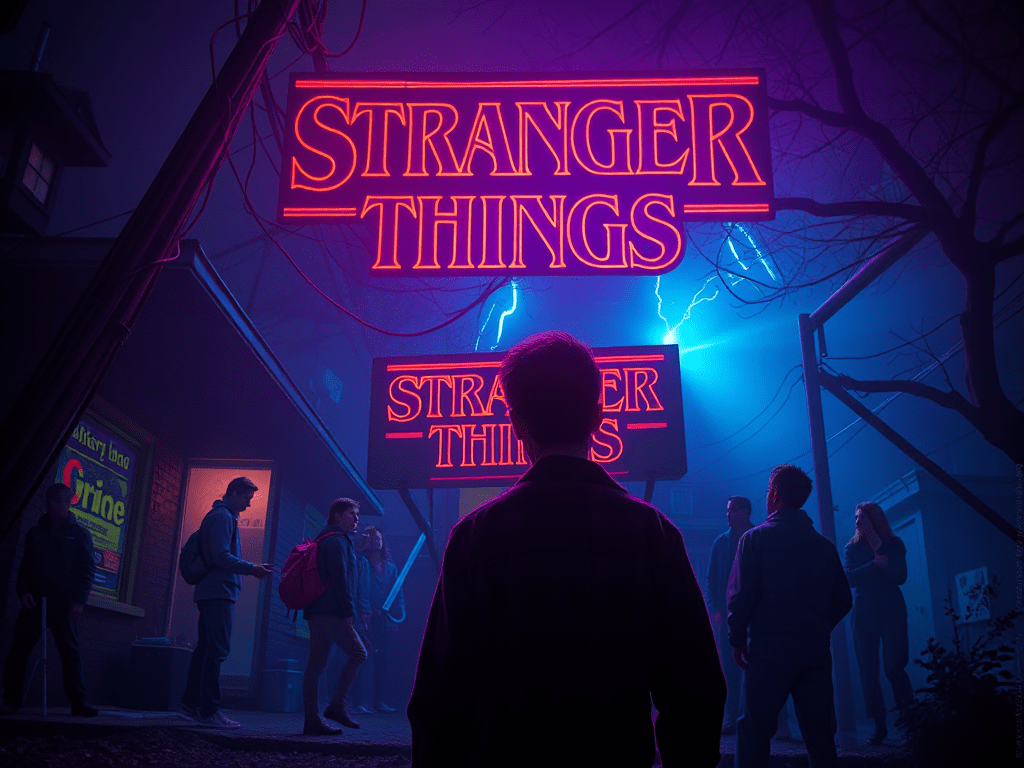
Let’s be real. You have time to binge an entire season of Stranger Things, but you can’t carve out a weekend to shoot your passion project? Please. Start small. Film a scene during lunch breaks, or storyboard during your commute. If you’re waiting for an uninterrupted month to fall into your lap, you’ll still be waiting when the Oscars add a hologram category.
4. “My Idea Isn’t Good Enough”

Guess what? No one’s first idea is. But the magic happens when you start working on it. That “mediocre” idea could evolve into something brilliant once you flesh it out. Plus, Sharknado exists—and it has a sequel. So, let’s not get too precious about “good.”

5. “I’m Waiting for the Right Team”

Sure, collaborating with pros is great, but waiting for Spielberg to return your DM isn’t the move. Assemble your friends, family, and that one co-worker who’s always talking about their theater minor. Everyone starts scrappy. Some of the best crews are built over time—yours could start with borrowed pizza and a dream.

6. “I’m Afraid of Failing”

Here’s the truth: you will fail. Maybe the audio will suck, the pacing will drag, or your lead actor will bail on day three. But failure isn’t fatal; it’s feedback. You learn, you adjust, and your second project will thank you for it. The only true failure is never trying.

7. “The Market Is Too Saturated”

This one’s rich. Sure, there’s a lot of content out there, but there’s only one you. Your voice, perspective, and storytelling style are uniquely yours. Besides, when has too much competition stopped anyone? If Starbucks worried about market saturation, we’d still be sipping gas station coffee.

The Real Talk

Making your first film isn’t about having all the resources; it’s about having the guts to start. Every filmmaker you admire was once an amateur with excuses, but they pushed through. So, stop scrolling, start scribbling, and grab your phone or camera. Your first film doesn’t have to be perfect—it just has to exist.

Lights, camera… no more excuses. Go make your movie. 🎬

As always be inspired, be encouraged, and be collaborative.

Saki Bomb

“Turning Your Small Feature Film into a MoneyMaker”-#030

So, you’ve poured your heart and soul into making your small feature film. You’ve written the script, directed the scenes, edited the footage, and now it’s all wrapped up in a neat little package. But what’s next? How do you take your passion project and turn it into something that can actually make you money? The good news is, there are plenty of ways to monetize your indie film, and with the right strategy, you can recoup your investment—and then some!

Let’s dive into some tried-and-true methods for making money off your small feature.

1. Film Festivals: The Launchpad

Film festivals are more than just a place to showcase your work—they’re a launchpad for your film’s success. Getting your feature into a festival can lead to exposure, awards, and even distribution deals. Festivals like Sundance, Cannes, and Toronto are the big leagues, but don’t overlook smaller, niche festivals. These can be a great way to connect with your target audience and attract the attention of distributors who are on the lookout for fresh talent.

Pro Tip: Make sure your film’s website and press kit are polished and ready to go before submitting to festivals. You never know who might be watching!

2. Video-on-Demand (VOD) Platforms: The Digital Age

In today’s digital age, Video-on-Demand (VOD) platforms are a filmmaker’s best friend. Platforms like Amazon Prime Video, iTunes, Google Play, and Vimeo On Demand allow you to upload your film and make it available to a global audience. You can choose between a rental model, purchase model, or even a subscription-based model, depending on what suits your film best.

Pro Tip: Invest time in creating eye-catching thumbnails and trailers. A strong first impression can make all the difference in convincing viewers to click ‘play.’

3. Crowdfunding Your Distribution

Crowdfunding isn’t just for raising production funds—it can also be used to finance your film’s distribution. Platforms like Kickstarter and Indiegogo allow you to create campaigns where fans of your work can contribute to help you get your film out into the world. In return, you can offer perks like digital downloads, exclusive behind-the-scenes content, or even tickets to a premiere.

Pro Tip: Build a community around your film before launching a crowdfunding campaign. Engage with potential backers on social media, share updates, and create buzz to ensure your campaign’s success.

4. Sell Your Film’s Rights

Selling the rights to your film can be a lucrative option, especially if your feature garners attention. This could involve selling distribution rights to a company that will handle the release of your film in theaters, on DVD, or digitally. Alternatively, you might sell TV rights to broadcasters or streaming services interested in adding your film to their lineup.

Pro Tip: Before selling your rights, consult with a lawyer or industry expert to ensure you’re getting a fair deal. Intellectual property is valuable—make sure you’re protecting yours!

5. Merchandising: More Than Just T-Shirts

Merchandising isn’t just for blockbuster films—indie films can get in on the action too! Think outside the box: in addition to the usual T-shirts and posters, consider unique items related to your film’s theme or story. For example, if your film is a horror flick, you could sell limited-edition masks, props, or even a companion book.

Pro Tip: Use platforms like Shopify or Etsy to set up an online store. Promote your merchandise through social media and at film screenings to boost sales.

6. Host Your Own Screenings

Why wait for a theater to pick up your film when you can host your own screenings? Partner with local theaters, community centers, or even pop-up cinema venues to show your feature. You can charge admission, sell merchandise, and engage directly with your audience. This approach not only generates revenue but also builds a loyal fanbase.

Pro Tip: Consider organizing Q&A sessions after screenings. Audiences love hearing from the filmmakers, and it adds value to the experience.

7. DVD and Blu-ray Sales: Old School but Effective

While streaming is king, there’s still a market for physical media. Offering your film on DVD or Blu-ray gives fans a tangible piece of your work, often with added bonus features like director’s commentary, behind-the-scenes footage, or deleted scenes. Plus, collectors and film enthusiasts still appreciate having physical copies for their shelves.

Pro Tip: Limited edition releases with special packaging or signed copies can attract collectors and boost sales.

Final Thoughts

Making a small feature film is no small feat, and turning it into a money-maker requires creativity, persistence, and a bit of business savvy. By exploring these avenues—film festivals, VOD platforms, crowdfunding, rights sales, merchandising, screenings, and physical media—you can start to see the returns on your hard work. The indie film world is full of opportunities; with the right strategy, your passion project can find its audience and become a financial success.

As always be inspired, be encouraged, and be collaborative.

Saki Bomb

Subscribe to the blog!!! Follow us on  instagram @_shootingfromthehip

“First-Time Feature Directors: Navigating the Unknown” – #028

As an avid consumer of filmmaking literature and a passionate observer of the indie film scene, I’ve often pondered the daunting challenge of directing a first feature. It’s a leap that many aspiring filmmakers dream of, but few feel truly prepared for. Today, I want to share some insights on how to approach directing your first feature when you’re stepping into uncharted territory.

Start with a Story You’re Passionate About

Your first feature will be a labor of love, so choose a story that resonates deeply with you. This passion will fuel you through the inevitable challenges and long hours. Remember, your unique perspective is your greatest asset as a new director.

Tip: Write or choose a script that you’d be excited to work on for months or even years. Your enthusiasm will be contagious to your cast and crew.

Do Your Homework

While nothing fully prepares you for directing a feature, knowledge is power. Study films in your genre, read books on directing, and analyze the work of directors you admire. Pay attention to how they handle pacing, work with actors, and tell their stories visually.

Tip: Create a “director’s notebook” with ideas, visual references, and notes from your research. This will be a valuable resource during production.

Surround Yourself with Experience

As a first-time director, one of the smartest moves you can make is to build a team with more experience than you. An experienced Director of Photography, First Assistant Director, or Producer can be invaluable in guiding you through the process.

Tip: Be honest about your experience level when recruiting your key crew. Many professionals enjoy the energy of working with first-time directors and will appreciate your transparency.

Prepare, Prepare, Prepare

Thorough preparation is your best friend. Break down your script, create detailed shot lists, and have a clear vision for each scene. This preparation will give you confidence on set and help you make decisions quickly when time is tight.

Tip: Storyboard key sequences or complex shots. This visual planning will help you communicate your vision to your crew.

Focus on Performance

As a new director, your ability to work with actors and draw out great performances can set you apart. Take time to develop your characters with your actors, run thorough rehearsals, and create an environment on set where they feel safe to take risks.

Tip: Consider taking an acting class yourself. It will give you invaluable insight into the actor’s process.

Be Decisive, But Flexible

On set, your crew will look to you for clear direction. Make decisions confidently, but also be open to input from your more experienced team members. Sometimes, the best ideas come from unexpected places.

Tip: Before shooting, identify your non-negotiables – the elements of your vision that are essential. This will help you know where you can be flexible and where you need to stand firm.

Embrace the Learning Curve

Accept that you’ll make mistakes – it’s part of the process. Each challenge is an opportunity to learn and grow as a director. Keep a positive attitude and be solution-oriented when problems arise.

Tip: Keep a daily journal during your shoot. Reflect on what worked, what didn’t, and what you’d do differently next time. This self-reflection will be invaluable for your growth as a director.

Remember the Big Picture

In the stress of day-to-day filming, it’s easy to lose sight of your overall vision. Regularly remind yourself of the story you’re trying to tell and why it matters. This will help you make consistent decisions that serve the film as a whole.

Tip: Start each day by reviewing your director’s statement or the theme of your film. This will help center you and inform your choices throughout the day.

Directing your first feature is a monumental task, but it’s also an incredible opportunity for growth and creativity. By approaching it with a combination of thorough preparation, openness to learning, and passion for your story, you can navigate this challenge successfully.

Remember, every great director was once a first-time feature director. Your unique voice and vision are what will make your film special. Trust in your preparation, lean on your team, and don’t forget to enjoy the journey.

I’d love to hear from our readers: What concerns do you have about directing your first feature? Or for those who have taken the plunge, what advice would you give to first-time directors? Share your thoughts in the comments below!

As always be inspired, be encouraged, and be collaborative.

Saki Bomb

Subscribe to the blog!!! Follow us on  instagram @_shootingfromthehip

“Micro-Budget Filmmaking: Wisdom from an Unexpected Source” – #027

As an avid reader, particularly of self-help and personal development books, I’ve always found inspiration in unexpected places. One book that has continually influenced me is Napoleon Hill’s “Think and Grow Rich.” I’m fortunate to own an original format copy, and I’ve been a long-time admirer of Hill’s timeless principles.

Recently, while re-reading this classic and reflecting on my experiences in indie filmmaking, I realized how many of Hill’s ideas could be applied to the world of micro-budget cinema. Today, I want to share some of these insights with you, fellow filmmakers, and explore how they can help us navigate the challenges of creating impactful films with limited resources.

Let’s dive into some key principles from “Think and Grow Rich” and see how they translate to our world of shoestring budgets and big dreams:

1. Cultivate Unwavering Passion

Hill emphasized the importance of a “burning desire” to achieve your goals. In micro-budget filmmaking, this translates to an absolute commitment to your project. Your passion will be the driving force that keeps you going when faced with inevitable setbacks and resource constraints.

Tip: Regularly remind yourself why your story needs to be told. Keep your film’s core concept visible in your workspace for daily inspiration.

2. Plan Meticulously

Careful planning is crucial in micro-budget filmmaking. Break down your film into manageable components and create detailed plans for each aspect – from pre-production to distribution. This level of organization will help you maximize your limited resources.

Tip: Create a comprehensive production timeline and budget. Identify potential challenges and brainstorm solutions in advance.

3. Develop Resilience

Hill stressed the importance of persistence, and this couldn’t be more relevant in indie filmmaking. You’ll face numerous rejections and setbacks. Your ability to bounce back and keep pushing forward will ultimately determine your success.

Tip: After each setback, take time to reflect on what you’ve learned. Use these insights to strengthen your approach moving forward.

4. Build a Supportive Network

Hill discussed the concept of a “Master Mind” group – a collective of individuals who support and enhance each other’s efforts. In filmmaking, this translates to building a strong, committed team and network of like-minded creatives.

5. Hone Your Unique Skills

While general filmmaking knowledge is important, developing specialized skills can set you apart. Identify areas where you can offer unique value to your projects and focus on mastering them.

Tip: Continuously educate yourself. Whether it’s through online courses, workshops, or hands-on experience, keep refining your craft.

6. Turn Limitations into Opportunities

Hill emphasized finding opportunity within every setback. In micro-budget filmmaking, constraints often spark creative solutions that can make your film stand out. Embrace the challenge of working with limited resources and let it fuel your creativity.

Tip: When faced with a resource constraint, challenge yourself and your team to find innovative workarounds that enhance your story rather than detract from it.

By applying these principles, micro-budget filmmakers can develop the mindset and habits necessary for success in a challenging industry. Remember, your greatest assets are your creativity and determination. With these tools, even the smallest budget can yield remarkable results.

As I’ve applied these principles to my own filmmaking journey, I’ve found them incredibly valuable. The combination of Hill’s timeless wisdom and the practical realities of indie filmmaking has helped me overcome numerous obstacles and continue pursuing my passion.

We’d love to hear from you: What strategies have you found most effective in overcoming the challenges of micro-budget filmmaking? How have you applied principles from self-help or other unexpected sources to your creative work? Share your experiences in the comments below, and let’s learn from each other. After all, in the world of indie film, our collective knowledge is one of our greatest assets.

As always be inspired, be encouraged, and be collaborative.

Saki Bomb

Subscribe to the blog!!! Follow us on  instagram @_shootingfromthehip

Essential Elements of a good Filmmaking Book – #026

In the realm of filmmaking, where creativity intertwines with technical prowess, knowledge is key. Aspiring filmmakers often turn to books to hone their craft, seeking guidance, inspiration, and insights from seasoned professionals. However, with a plethora of options available, navigating through the sea of filmmaking books can be daunting. So, what truly constitutes a good filmmaking book? I ask this question as I am set to release my own filmmaking book: SHOOTING FROM THE HIP Vol.#1. Let’s delve into the essential elements that make a filmmaking book invaluable.

  1. Expertise and Authority: A good filmmaking book is authored by individuals with substantial experience and expertise in the field. Look for authors who have a proven track record in filmmaking, whether they are acclaimed directors, cinematographers, screenwriters, or industry professionals. Their insights, gleaned from years of practical experience, offer invaluable guidance and perspective to aspiring filmmakers.
  2. Comprehensive Coverage: Filmmaking is a multifaceted art form that encompasses various disciplines, including directing, screenwriting, cinematography, editing, and production design, among others. A good filmmaking book provides comprehensive coverage of these diverse aspects, offering in-depth insights into each stage of the filmmaking process. Whether you’re a novice or a seasoned filmmaker, a book that addresses all facets of filmmaking serves as a valuable resource for expanding your knowledge and skills.
  3. Practical Examples and Case Studies: Theory alone can only take you so far in the world of filmmaking. A good filmmaking book supplements theoretical concepts with practical examples and case studies drawn from real-world productions. By analyzing the techniques employed in acclaimed films and dissecting the creative decisions behind them, aspiring filmmakers can gain a deeper understanding of how to apply theoretical knowledge in practical scenarios. Case studies provide invaluable lessons and inspiration, illustrating the creative problem-solving process that lies at the heart of filmmaking.
  4. Accessibility and Clarity: Filmmaking can be a complex subject, filled with technical jargon and intricate concepts. However, a good filmmaking book presents information in a clear, accessible manner, catering to readers of all levels of expertise. Whether you’re a beginner seeking to grasp the fundamentals or an advanced filmmaker delving into advanced techniques, clarity of explanation is paramount. Look for books that demystify complex concepts, using plain language and visual aids to enhance understanding.
  5. Relevance and Timeliness: The filmmaking landscape is constantly evolving, with new technologies, trends, and practices shaping the industry. A good filmmaking book remains relevant and up-to-date, reflecting the latest developments in the field. Whether it’s exploring emerging filmmaking techniques, addressing contemporary issues, or discussing the impact of technological advancements, a book that stays abreast of industry trends ensures that its readers are equipped with current knowledge and insights.
  6. Inspiration and Creativity: Beyond technical expertise, filmmaking is a deeply creative endeavor that thrives on inspiration and imagination. A good filmmaking book not only imparts practical knowledge but also ignites the creative spark within aspiring filmmakers. Through anecdotes, interviews, and exercises that encourage experimentation and exploration, a book that fosters creativity empowers filmmakers to find their unique voice and vision.

Conclusion: In the pursuit of mastering the art and craft of filmmaking, a good filmmaking book serves as an indispensable companion, offering guidance, inspiration, and enlightenment. By seeking out books authored by industry experts, with comprehensive coverage, practical examples, accessibility, relevance, and a focus on creativity, aspiring filmmakers can embark on a journey of learning and discovery that propels them closer to realizing their cinematic aspirations. So, whether you’re a budding director, screenwriter, cinematographer, or editor, remember to choose your filmmaking books wisely—they just might be the key to unlocking your cinematic dreams.

As always be inspired, be encouraged, and be collaborative.

Saki Bomb
Subscribe to the blog!!! Follow us on  instagram @_shootingfromthehip

“Color Magic: Decoding the Enigmatic Role of a Colorist in Filmmaking” – #025

Welcome to the colorful realm of filmmaking, where every hue, shade, and tint contributes to the visual symphony that unfolds on the big screen. In this blog, we’re unraveling the mystique behind one of the unsung heroes of post-production—the colorist. Join us as we break down what a colorist does and why their role is nothing short of magical in the world of cinema.

What Does a Colorist Do?

  • At first glance, one might think a colorist just tweaks a few colors here and there, but their role goes far beyond that. A colorist is a visual artist who meticulously manipulates color and light to enhance the overall look and feel of a film. They work in the post-production stage, bringing raw footage to life by crafting a visual narrative through color grading.

Color Grading: The Artistic Alchemy:

  • Color grading is the heart and soul of a colorist’s work. It involves adjusting the color and tonality of an image to achieve a specific mood or atmosphere. From creating warm, nostalgic tones to cold, dystopian palettes, color grading transforms the visual narrative and elevates the emotional impact of a film.

Creating Consistency:

  • Ever watched a film where scenes jump from warm sunlight to cool moonlight with jarring inconsistency? A colorist ensures that each frame maintains visual coherence. They create a seamless flow, making sure that the color palette complements the storyline and enhances the audience’s immersion.

Setting the Mood and Tone:

  • Colors have the power to evoke emotions and set the mood for a scene. A colorist plays a pivotal role in determining whether a film feels whimsical, suspenseful, romantic, or melancholic. They use their expertise to align the color scheme with the director’s vision, enhancing the emotional impact of the narrative.

Enhancing Visual Storytelling:

  • Filmmaking is a visual language, and a colorist is the storyteller who adds nuance to each frame. By emphasizing certain colors or creating visual contrasts, they guide the audience’s attention, subtly conveying underlying themes and narratives that might go unnoticed without their touch.

Correcting Imperfections:

  • A colorist is not just a painter; they are also a meticulous editor. They correct color imbalances, eliminate unwanted shadows, and ensure that skin tones look natural. Their attention to detail is crucial in delivering a polished final product.

Collaborating with Filmmakers:

  • Collaboration is key in filmmaking, and a colorist works closely with directors, cinematographers, and other members of the post-production team. They interpret the director’s vision, provide creative input, and contribute to the overall aesthetic of the film.

The Importance of a Colorist:

  • Now, why are colorists so crucial? Simply put, they add the finishing touches that turn a good film into a visually stunning masterpiece. Their artistry enhances the storytelling experience, creating an immersive and memorable journey for the audience.

As we peel back the layers of filmmaking, the role of a colorist emerges as a magical blend of artistry, technical prowess, and storytelling finesse. Their ability to paint with colors transforms a film from a mere sequence of scenes to a captivating visual narrative. So, the next time you’re swept away by the vibrant hues or subtle tones of a film, remember that a colorist’s touch is woven into every frame, creating the cinematic magic we all love. 🌈🎥

As always be inspired, be encouraged, and be collaborative.

Saki Bomb

Subscribe to the blog!!! Follow us on instagram @_shootingfromthehip

“Film Grit” – #024

Welcome, fellow dream-weavers and cinematic warriors, to the electrifying journey that is filmmaking. Beyond the glitz and glamour of the silver screen lies a realm of extraordinary will, where storytellers, visionaries, and relentless creatives embark on a quest to transform their dreams into a tangible reel of magic. Brace yourselves, for this blog is a stirring call to those who dare to step into the ring of filmmaking, where ordinary becomes extraordinary, and dreams are etched onto celluloid.

The Unyielding Passion:

  • Filmmaking is not a profession; it’s a calling, a relentless fire that burns within. The extraordinary will to be a filmmaker begins with an unwavering passion that defies logic and propels you into the abyss of creativity. It’s the heartbeat of your cinematic journey, the fuel that keeps you going when the path gets tough.

Resilience in the Face of Challenges:

  • Filmmaking is a battlefield, and challenges are the adversaries you must conquer. From budget constraints to unforeseen obstacles, your will to succeed must be unbreakable. It’s not about avoiding challenges but facing them head-on with a spirit that says, “I will not be defeated.”

Visionary Tenacity:

  • To be a filmmaker is to be a visionary, an architect of dreams. The extraordinary will to bring your vision to life requires tenacity—the ability to hold onto your dream with an iron grip. It’s about weathering doubts, overcoming naysayers, and staying true to the unique story only you can tell.

Courage to Embrace the Unknown:

  • Filmmaking is an expedition into uncharted territories. The extraordinary will to get your film into the can demands the courage to embrace the unknown. It’s about stepping outside your comfort zone, experimenting with new techniques, and fearlessly exploring uncharted creative realms.

Endless Learning and Adaptability:

  • The film industry is a dynamic landscape that evolves with every frame. The extraordinary will to be a filmmaker involves a commitment to endless learning and adaptability. Whether it’s mastering new technology, staying updated on industry trends, or learning from each project, a filmmaker’s journey is a perpetual quest for growth.

Collaborative Spirit:

  • No filmmaker is an island, and the extraordinary will to create a cinematic masterpiece requires a collaborative spirit. It’s about building a tribe of like-minded creatives, valuing diverse perspectives, and understanding that the symphony of collaboration elevates your film to unparalleled heights.

Relentless Work Ethic:

  • Dreams don’t materialize through wishful thinking; they require a relentless work ethic. The extraordinary will to get a film into the can demands late nights, early mornings, and a dedication that knows no bounds. It’s about putting in the work when no one is watching, fueled by an unyielding commitment to excellence.

As you embark on this extraordinary odyssey of filmmaking, remember that the will to see your dreams on the silver screen is a force that defies convention. It’s a stirring symphony of passion, resilience, vision, courage, learning, collaboration, and relentless work. So, fellow dream-weavers, let the will within you be the guiding star, and may your journey through the reel realms be nothing short of extraordinary. Lights, grit, action—it’s time to turn your dreams into a cinematic reality! 🎬✨

As always be inspired, be encouraged, and be collaborative.

Saki Bomb
Subscribe to the blog!!! Follow us on  instagram @_shootingfromthehip

“Proof of Concept – Filmmaking Smarter, Not Harder!” – #023

Alright, indie filmmakers and cinematic dreamers, gather around! Today, we’re diving into the not-so-boring world of proof of concept (POC) and how it’s your secret sauce to making filmmaking as smooth as a perfectly buttered movie theater popcorn. Strap in, because we’re about to embark on a journey where “proof” is your new favorite word.

What’s this Proof of Concept Anyway? Picture this: You’ve got this mind-blowing idea for a film—plot twists, jaw-dropping visuals, and dialogue that gives Shakespeare a run for his money. But how do you convince investors, your mom, or that skeptical friend from film school that your idea is more than just a caffeine-fueled fantasy? Enter the hero of our story: the Proof of Concept.

In simple terms, a Proof of Concept is like a cinematic trailer for your brainchild. It’s a sneak peek into the magic you’re about to unleash on the world, minus the full-blown production. Think of it as your film’s way of saying, “Hey, I’m not just a wild idea; I’m a wild idea with a plan!

Show, Don’t Just Tell: Instead of bombarding potential backers with a 50-page screenplay and expecting them to see your vision, why not give them a taste of the real deal? Create a mini-version of your film—maybe a short scene, a storyboard, or even a snazzy mood board. Let the visuals do the talking and watch as skepticism turns into intrigue.

Budget-Friendly Brilliance: We get it; Hollywood budgets aren’t exactly lining your pockets. A Proof of Concept allows you to flex your creative muscles without breaking the bank. You don’t need a Spielberg-sized budget to make a compelling teaser that leaves your audience hungry for more. It’s like filmmaking on a shoestring budget, but with the pizzazz of a blockbuster.

Refine Your Vision: Consider your Proof of Concept as the dress rehearsal before the grand opening night. It’s a chance to fine-tune your vision, test out different styles, and find the sweet spot that makes your film truly stand out. Don’t be afraid to experiment; after all, the best ideas often come from a bit of on-the-fly brilliance.

Hook ‘Em Early: In the age of short attention spans and infinite scrolling, you’ve got to grab your audience by the eyeballs within seconds. A compelling Proof of Concept serves as your film’s elevator pitch—capturing attention, generating buzz, and leaving everyone clamoring for more. It’s the ultimate trailer before the trailer.

Investor-Friendly Charm: Investors aren’t just throwing money at any random idea (well, most of them aren’t). They want to see potential, viability, and a darn good reason to invest. A well-crafted Proof of Concept is your golden ticket to winning over those purse-string holders. It’s the showbiz equivalent of saying, “Trust me; this is gonna be epic.”

So there you have it, indie maestros—the Proof of Concept, your filmmaking wingman in this crazy cinematic journey. It’s not just a fancy term; it’s your passport to turning dreams into scenes and ideas into reels. Embrace the power of proof, sprinkle in your creativity, and watch as your filmmaking adventure unfolds with the applause it deserves. Lights, camera, POC—let the filmmaking magic begin! 🎬✨

As always be inspired, be encouraged, and be collaborative.

Saki Bomb

Subscribe to the blog!!! Follow us on instagram @_shootingfromthehip

“10 Creative Ways for Indie Filmmakers to Market/Promote Their Film on a Shoestring Budget” – #021

Introduction:

As an indie filmmaker, marketing and promoting your new film on a limited budget can be a daunting task. However, with a little creativity and resourcefulness, you can still generate buzz and attract an audience. In this blog post, we will explore ten actionable strategies that indie filmmakers can implement to market and promote their films without breaking the bank. Let’s dive in!

1. Leverage Social Media:

Social media platforms provide a cost-effective way to reach a wide audience and engage with potential viewers. Create accounts on platforms such as Facebook, Instagram, Twitter, and YouTube, and regularly share behind-the-scenes content, teasers, trailers, and updates about your film. Encourage your cast and crew to share these posts with their networks, increasing the reach organically. Engage with your followers by responding to comments and messages, building a community around your film.

2. Utilize Influencer Marketing:

Identify influencers in your niche or local community who align with your film’s themes or target audience. Reach out to them and propose collaborations or partnerships. This could involve asking them to review your film, share promotional content, or even host a screening event. Offer them exclusive content or free access to the film in exchange for their support. Influencers can significantly amplify your film’s visibility and attract new viewers.

3. Organize Local Screenings and Events:

Take advantage of local communities and venues to host screenings and events related to your film. Contact independent theaters, community centers, or even local cafes to inquire about hosting a screening. Advertise these events through local newspapers, online community boards, and social media. Offer unique experiences such as Q&A sessions with the cast and crew, live performances, or panel discussions to make the events more enticing.

4. Engage with Film Festivals and Student Organizations:

Film festivals and student organizations are always on the lookout for fresh and innovative content. Submit your film to relevant film festivals, both local and international, that cater to your genre or niche. Winning awards or gaining recognition at film festivals can generate buzz around your film and attract attention from distributors and industry professionals. Additionally, reach out to student organizations or film clubs at universities and colleges, as they often organize screenings and events for independent films.

5. Collaborate with Local Businesses:

Forge partnerships with local businesses to cross-promote your film. Approach cafes, bookstores, or any other establishments that align with your film’s theme and propose mutually beneficial collaborations. For example, a coffee shop could offer a special “Film-themed” drink or display promotional materials in exchange for promoting their business during your film’s screenings or events. These collaborations can expand your film’s reach and create a win-win situation for both parties involved.

6. Implement Guerrilla Marketing Tactics:

Guerrilla marketing involves unconventional and low-cost strategies to create buzz and awareness. Get creative with your marketing efforts by utilizing street art, graffiti, stickers, or posters strategically placed in high-traffic areas. Create eye-catching viral videos or stunts related to your film and share them on social media platforms. These guerrilla marketing tactics can help your film stand out and generate organic word-of-mouth promotion.

7. Utilize Online Communities and Forums:

Engage with online communities and forums dedicated to indie films, filmmaking, or your film’s specific genre. Participate in discussions, share insights, and offer valuable content. Avoid overtly promoting your film but instead focus on building relationships and establishing yourself as a knowledgeable filmmaker. When appropriate, share relevant updates about your film or invite community members to screenings. This approach can help you build a loyal fan base and gain support from fellow filmmakers.

8. Collaborate with Local Media Outlets:

Reach out to local media outlets, such as newspapers, radio stations, and online publications, and pitch your film as a unique local story. Offer interviews, press releases, or exclusive access to behind-the-scenes content. Local media outlets are often interested in covering local talent and stories, providing you with valuable exposure to a wider audience.

9. Create Engaging Content:

In addition to sharing promotional material, create engaging and shareable content related to your film. This can include blog posts, articles, or video content that explores the themes, inspirations, or challenges behind your film. By providing valuable and interesting content, you can attract a broader audience and establish yourself as an authority in your niche.

10. Build an Email List and Launch a Crowdfunding Campaign:

Start building an email list early on by offering exclusive content or updates to those who sign up. As your film progresses, use this email list to launch a crowdfunding campaign. Platforms like Kickstarter or Indiegogo can help you raise funds while simultaneously generating awareness about your film. Offer unique perks, such as limited edition merchandise or special access, to incentivize people to contribute to your campaign.

Conclusion:

Marketing and promoting an indie film with limited resources may seem challenging, but by employing these ten creative strategies, you can maximize your film’s exposure and attract.

As always be inspired, be encouraged, and be collaborative.

Saki Bomb

Subscribe to the blog!!! Follow us on instagram @_shootingfromthehip

Crafting Cinematic Identity: A Director’s Artistry Through Mood, Style, and More – #020

In the realm of filmmaking, directors are the maestros of storytelling, wielding their artistic prowess to create worlds and narratives that resonate with audiences. While every director has a unique approach to their craft, a key element of establishing their identity lies in their ability to shape the mood, style, genre, writing, lighting, camera shots, and camera movement of their films. These components are the palette upon which directors paint their cinematic portraits.

Mood:

Mood is the emotional core of any film. It sets the tone for the entire experience, and directors use it to evoke a specific response from the audience. For example, consider the works of David Fincher, known for his dark, brooding, and intense mood. Films like “Se7en” and “Fight Club” immerse viewers in a bleak and unsettling atmosphere, a testament to Fincher’s mastery of mood.

Style:

A director’s style is their signature, the visual and thematic language they use to tell their stories. Wes Anderson’s films, with their vibrant color palettes, symmetrical compositions, and quirky characters, are instantly recognizable. Anderson’s unique style lends an air of whimsy to his narratives, making them one of a kind.

Genre:

The genre a director chooses to work in can significantly influence their identity. Take Christopher Nolan, whose exploration of complex narratives in science fiction has become his trademark. Films like “Inception” and “Interstellar” showcase his penchant for blurring the lines between reality and imagination.

Writing/Story/Topic:

The heart of any film is its story, and a director’s choice of subject matter and storytelling style can define their identity. Quentin Tarantino is celebrated for his unconventional narratives, sharp dialogue, and penchant for exploring unconventional themes. His films, like “Pulp Fiction” and “Kill Bill,” often delve into the dark and violent corners of society.

Lighting:

Lighting is an essential tool for shaping the mood of a film. Directors like Stanley Kubrick are renowned for their meticulous attention to lighting. Kubrick’s use of stark contrasts and meticulous attention to detail is evident in “The Shining,” where the oppressive, eerie lighting contributes to the film’s sense of dread.

Camera Shots and Moving the Camera:

The way a director frames their shots and moves the camera can have a profound impact on the audience’s engagement. Consider the long, uninterrupted takes in Alfred Hitchcock’s “Rope,” which create a sense of suspense and tension. Hitchcock’s masterful camera work is a testament to his unique cinematic identity.

In conclusion, directors’ cinematic identities are crafted through their mastery of mood, style, genre, writing, lighting, camera shots, and camera movement. These elements are the brushstrokes on the canvas of their storytelling. It is this fusion of creativity, technical expertise, and a distinct vision that allows each director to carve out a unique place in the world of cinema, leaving an indelible mark on the medium for generations to come.

As always be inspired, be encouraged, and be collaborative.

Saki Bomb

Subscribe to the blog!!! Follow us on instagram @_shootingfromthehip